Elem. – Daisy Rewilds

McNamara, Margaret. Daisy Rewilds. Illustrated by Kerascoët and Sébastien Cosset. Random House Studio, 2025. 978-0-593-12567-0. 40 p. $18.99. Grades K-3. 

Daisy always has been fascinated with the natural world. She loves collecting leaves, sprouting seeds, and designing plant-based science projects. But her most interesting experiment begins when she skips her bath for five weeks and a patch of moss starts growing behind her ear. When her family notices the mossy patch, Daisy explains she is rewilding: getting back to nature. Daisy settles onto her front lawn and with the help of her garden-loving Auntie Betsy, warm sunshine, and a few good rain showers, she and the front yard embrace rewilding. Clover, tomatoes, pumpkins, and flowers grow around her, and hummingbirds, bees, monarchs, and turkeys flock to the plants. By late summer, neighbors marvel at the changed landscape, and Daisy transplants the flowers, vegetables, and animals all around the neighborhood. The result is a healthy, balanced, thriving ecosystem that is a more natural place for everyone. Loose ink and watercolor illustrations reflect the text’s whimsical and spontaneous spirit. Backmatter describes rewilding as conserving the natural world by letting nature take care of itself and encouraging native plants and animals to find their way to the places where they belong. The author explains that while this might initially mean spaces appear messy, rewilding ultimately makes the world a more natural place. 

THOUGHTS: Share this title with students learning about ecosystems, conservation, and biodiversity. It will also make a perfect read-aloud for Earth Day. 

Picture Book

Elem. – The Black Mambas: The World’s First All-Woman Anti-Poaching Unit

Crull, Kelly. The Black Mambas: The World’s First All-Woman Anti-Poaching Unit. Millbrook Press, 2025. 979-8765627259. 40 pp. $19.99. Grades 1-4.

Meet the Black Mambas, a group of female South African park rangers named after the most dangerous snake in the country. These women are committed to protecting wildlife from poachers in the Olifants West Nature Preserve inside Kruger National Park, South Africa. Using first-person narration and documentary-style photography, the book follows the all-female ranger unit day and night on patrol in sometimes dangerous situations. Important facts about survival, wildlife, and conservation are communicated in maps, diagrams, sidebars, and concise text. The book also highlights culture, community, and education and delivers an inspiring message to young readers. Individual photos of the all-Black female unit decorate the front endpapers and contribute to an intimate look at animal welfare and conservation. Author’s note and backmatter, including a pronunciation guide and the NATO Phonetic Alphabet, will be of particular interest to readers.

THOUGHTS: This book is dynamic and well designed. It has plenty to keep readers thoroughly engaged and attentive over a long period of time. Female readers may find particular pride and inspiration in the story of these impressive women. The NATO Phonetic Alphabet was definitely exciting for this reader: Charlie, Oscar, Oscar, Lima!

639.9 Conservation of Biological Resources

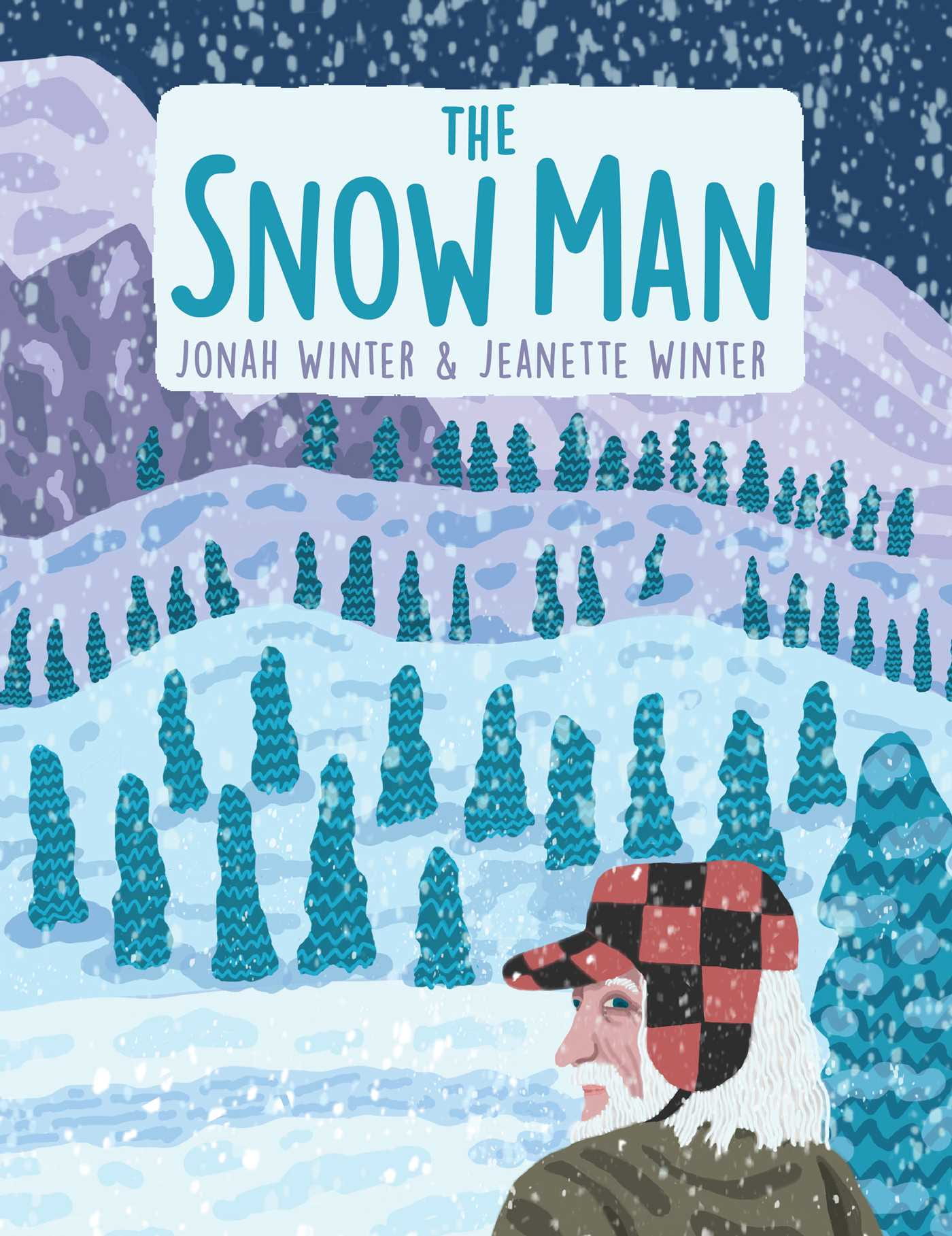
Elem. – The Snow Man: A True Story

Winter, Jonah. The Snow Man: A True Story. Illustrated by Jeanette Winter. Beach Lane Books, 2023. 978-1-665-93239-4. $18.99. Unpaged. Grades K-3.

Based on a true story, this book tells the tale of billy barr (he doesn’t capitalize the first letters of his name), who has lived most of his life in the Rocky Mountains of Colorado. When he first came to the mountains as a young man, billy’s only companions were wild animals. Without anyone to talk to, billy was bored, so he started measuring the snowfalls. Year after year, he recorded these measurements, along with the dates of the first snowfall and the first wildflower blossoms each year. He noted when animals came out of hibernation and when certain birds arrived each spring. After many years, he started to notice an interesting trend: year after year, there seemed to be less snow than there had been in past years. When he shared his findings with a local scientist, the scientist was amazed. Today, billy’s meticulous measurements and notes have proved to be a vital contribution to the study of climatology. An author’s note provides additional information about the real billy barr, as well as a list of sources for further reading and research.

THOUGHTS: Young readers will be fascinated by billy’s lifestyle and findings. This would be an excellent title for introducing climate change or measurement to elementary students.

921 Biography
508 Natural History